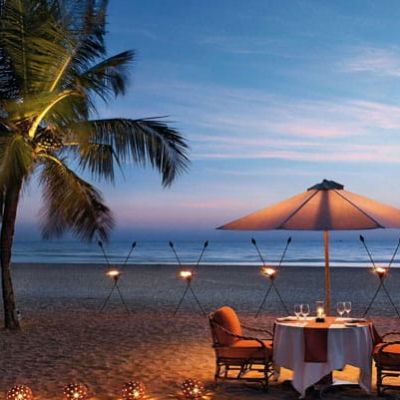
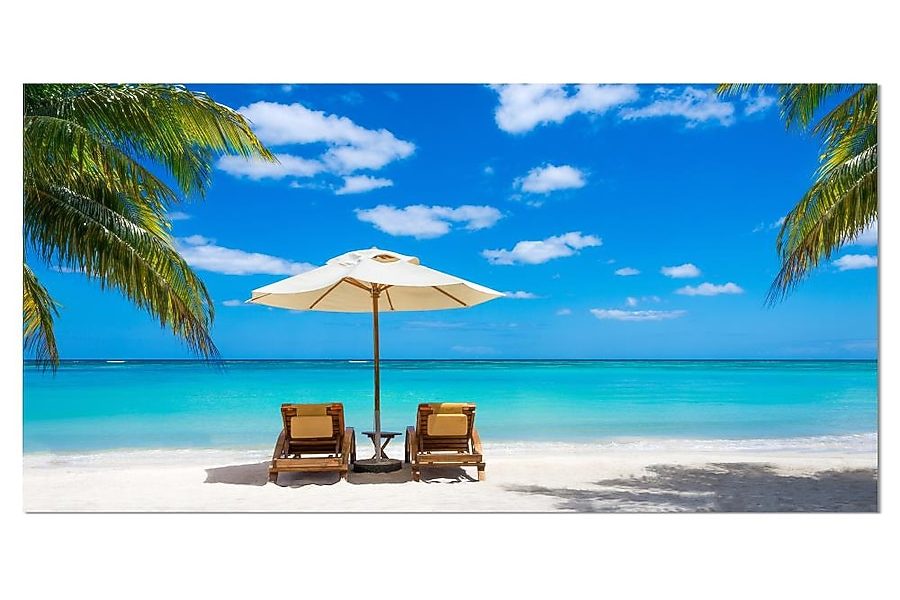
Since the opening of its international airport in 2001, Marsa Alam has become a great Red Sea destination for diving enthusiasts. Nestled between sea and desert, the town offers all kinds of accommodations, ranging from upscale comfort establishments with complete Western amenities to Bedouin-inspired eco-lodges. Dive sites accessible from Marsa Alam number among the most attractive in the Red Sea for experienced divers. Healthy coral reefs and the wide range of underwater wildlife such as dugongs and dolphins are the principal draw factors of Marsa Alam. For less experienced divers, in-shore coral reefs are the ideal location for hours of marine wildlife watching.
The new Port Ghalib Marina at Marsa Alam added to the location a very exclusive standing, with its luxurious hotels, resorts and berthing space for about 1000 yachts. The newly built marina offers some of the best relaxation and entertainment options on the Red Sea coast, including gourmet restaurants and tantalizing Spas.
Additionally the resort houses the International Convention Centre, the only multipurpose state-of-the-art centre of its size on the Red Sea. The centre offers a meeting space of 1,950 sq. m. that is capable of hosting all events from full scale conventions of 2,000 delegates to informal small size meetings.
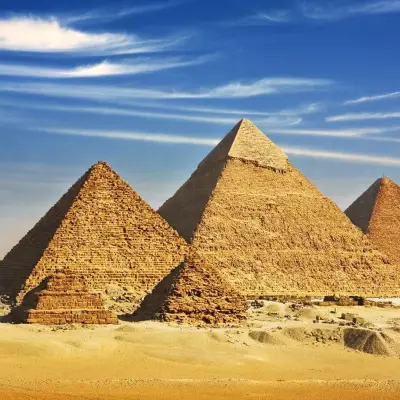
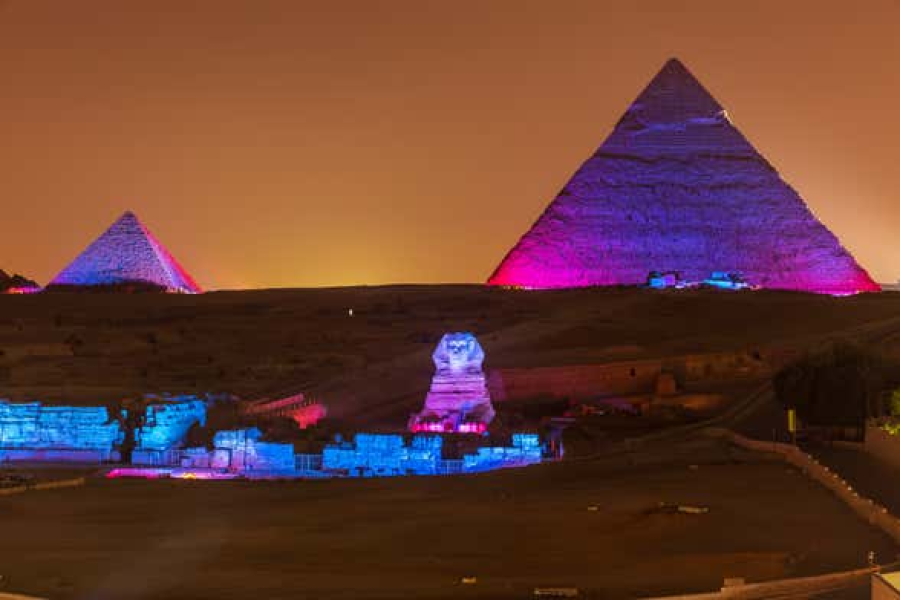
In 1954, yet
another sensational find was in the necropolis area
of Giza, already far from lacking in major
discoveries. While work was in progress directly in
front of the south side of the pyramid of Cheops.
The first
Egyptian Museum of Pharaonic antiquities was
established in 1863 by the famous French
archeologist, Auguste Mariette. Afterwards, because
of the many Pharaonic treasurers discovered in Egypt
.
The present
situation of the ancient capital of Egypt could
hardly be put more cogently, for very little of the
former glory of the metropolis remains. A few
colossal royal statues, the great alabaster sphinx.
Beside the
cemetery area of the western Thebes, Saqqara is the
most extensive mortuary town in Egypt, and it is
known to have been used from the early Dynastic
period (First / Second Dynasties)
The great
burial district of King Djoser forms the lonely peak
in the development of the royal burial sites of the
early 3rd millennium B.C. which combine elements of
the upper Egypt and lower Egyptian traditions.
Only a few
miles south of Saqqara stretches the important and
extensive pyramid field of Dahshur (opened to the
public 1996). Immediately on the edge of the fertile
land lie the brick buildings of tree rules of the
Twelfth Dynasty.
The Moses Ben
Maimon synagogue is an important historical and
religious monument in Egypt, and its restoration
will return a piece of Jewish heritage to Egypt.
No other mosque
in Cairo surpasses Al-Azhar , "The Flowering," in
tradition and importance. Soon after its foundation
in 970 A.D. it became the site of university
studies, which continued there to the present.
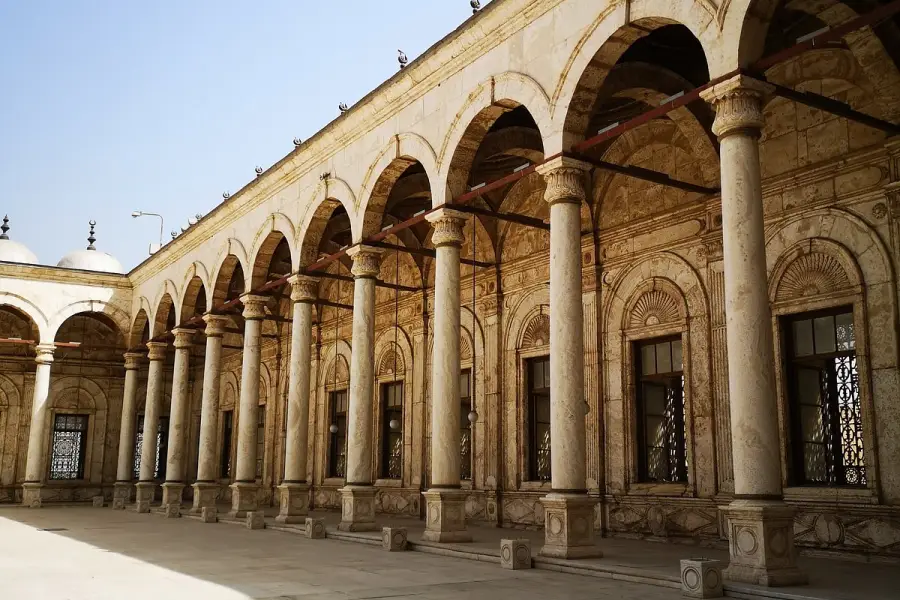
The citadel of Cairo
was built under Ayyubid dynasty between 1176 and
1207, and later extended to Mamluk and Ottoman
pashas, Sultan Al-Nasir Muhammad (1294 - 1340) had a
mosque as well as his principal palace built there.
Experience the iconic and quintessential sound of Cairo at its Opera House that has been standing for more than 102 years. The complex is truly extravagant and its architecture is postmodernist, yet incorporates Islamic and Pharaonic motifs.
The El Sawy Culture wheel, Cairo’s cultural spirit, is an inclusive cultural center laying on a 5,000 m2 area right under the 15th of May bridge on Zamalek island. It values human beings without any kind of classification.
It is located 274 km south of Hurghada city. The pleasant climate makes it a great vacation spot, winter temperatures have been known to reach 31°C and in summer they lie between 20 and 35°C.